Dissertation 01 — BEng Mechanical Engineering
Constructing and Analysing the Performance of a Modified Prosthetic Hand

In a nutshell
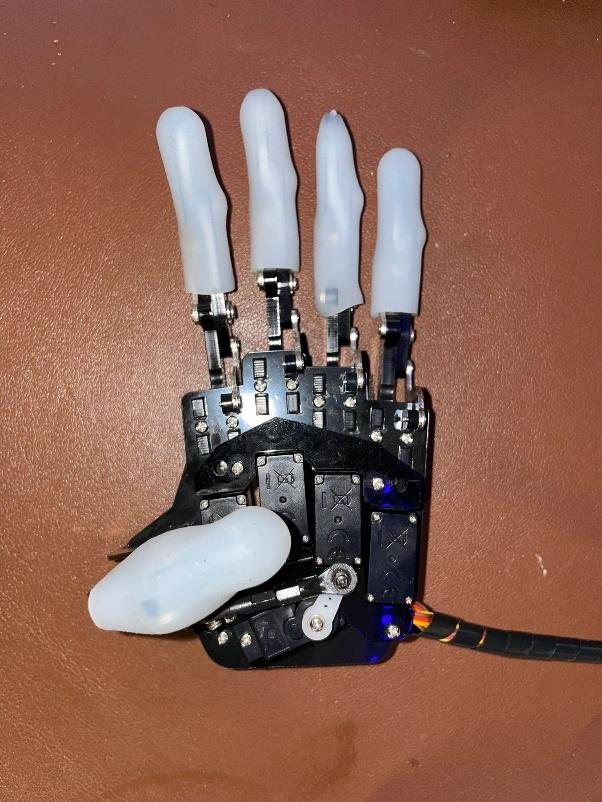
I built a low-cost, 3D-printed robotic hand whose fingers close when you flex the muscles in your forearm — a cheap test bed for future prosthetics research.
01
The abstract, simply
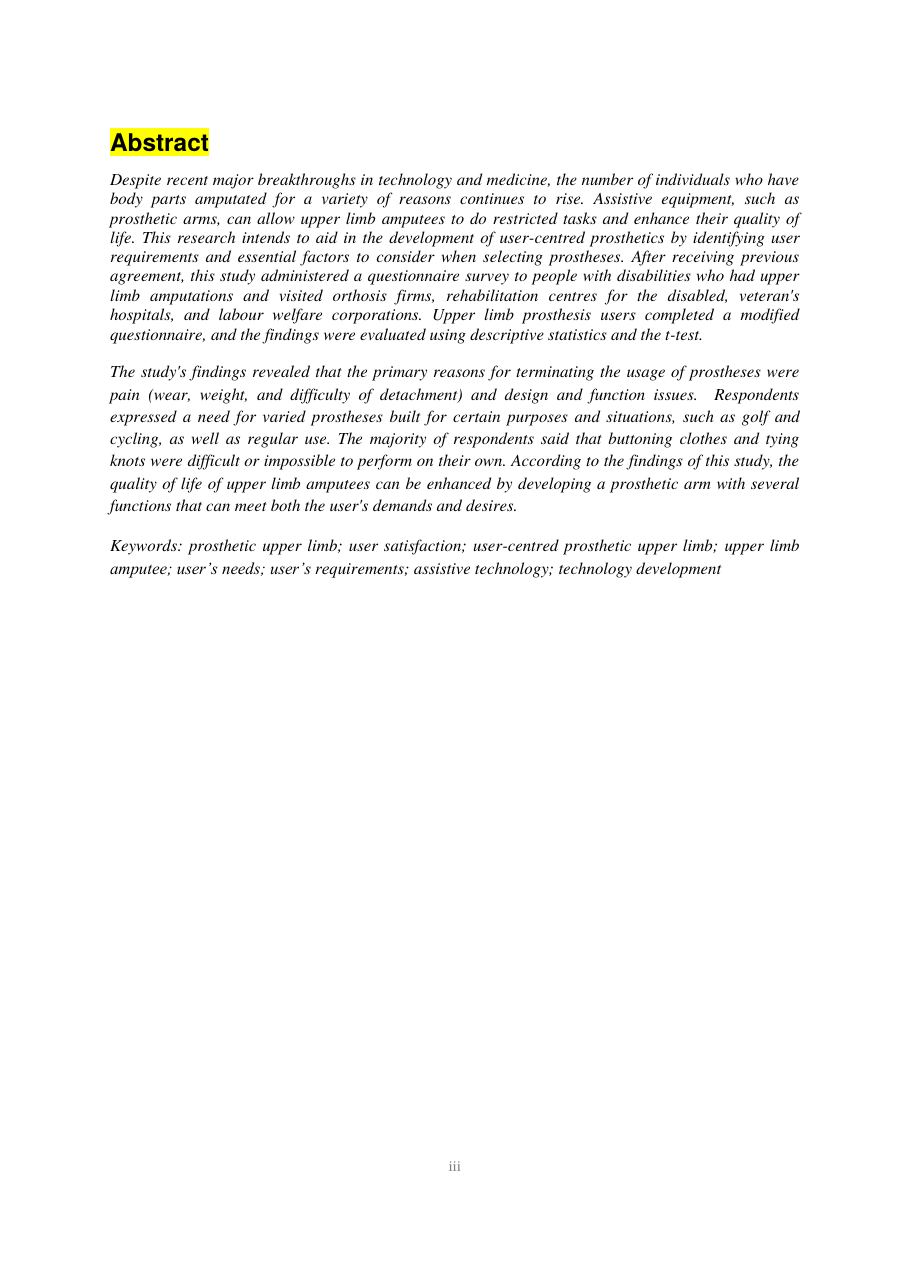
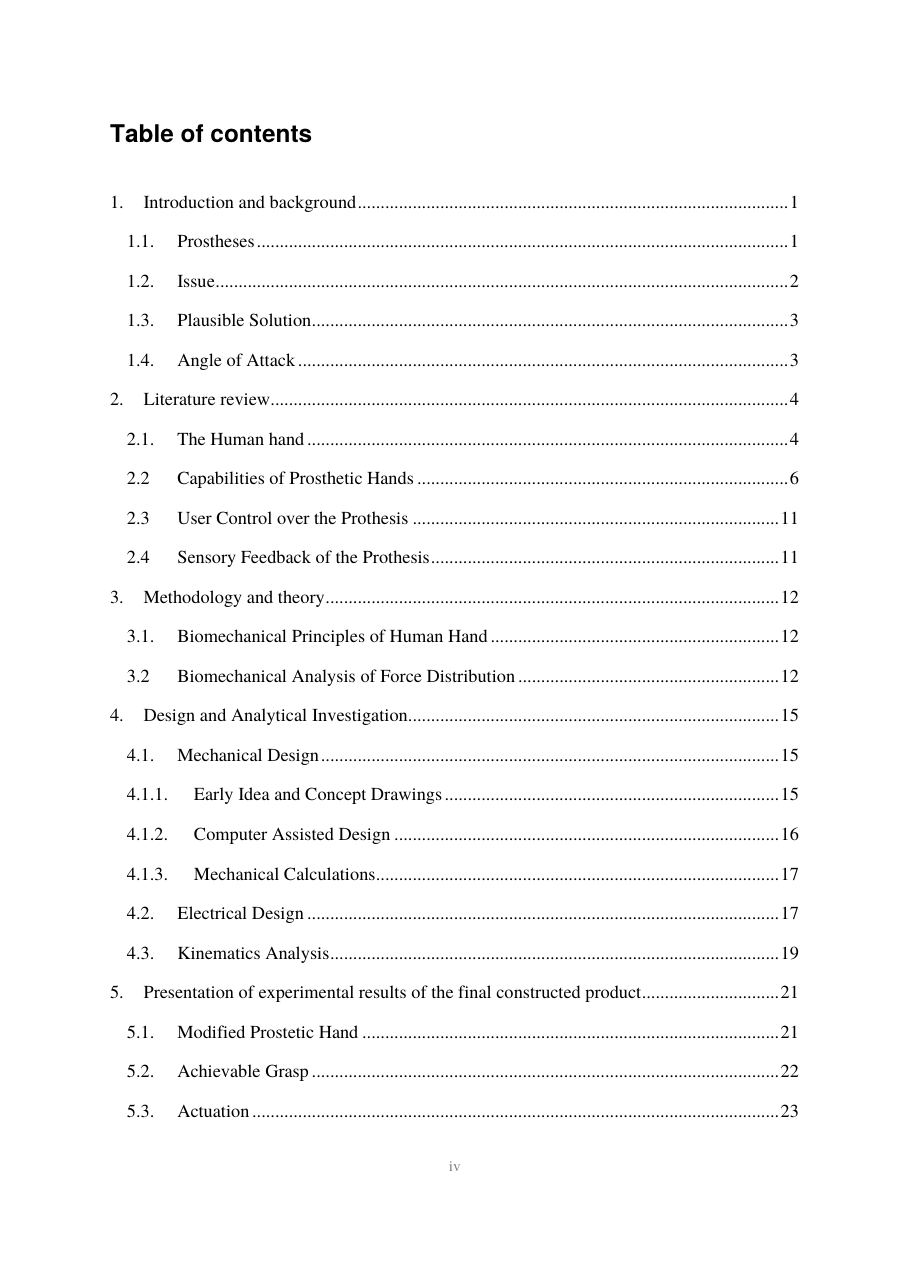
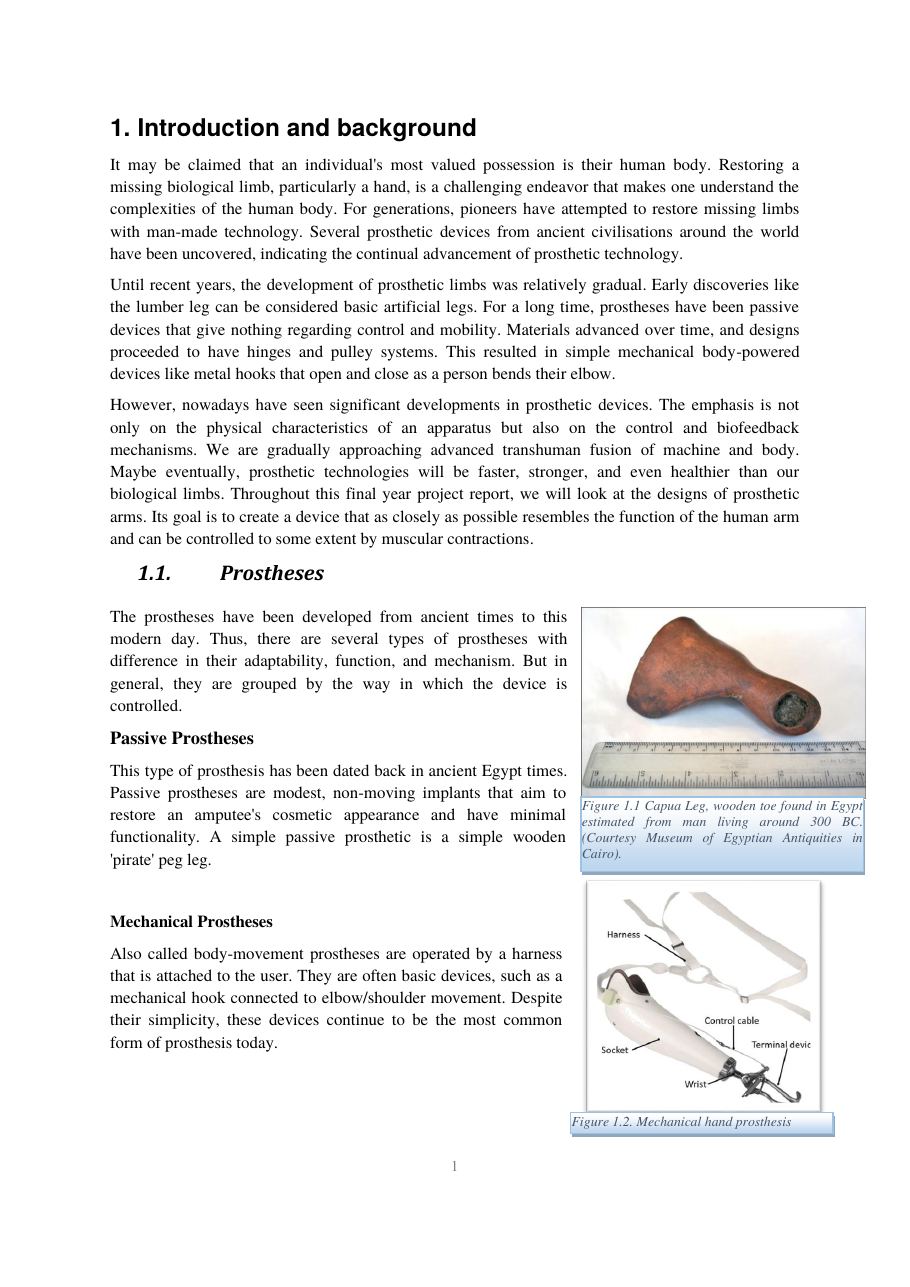
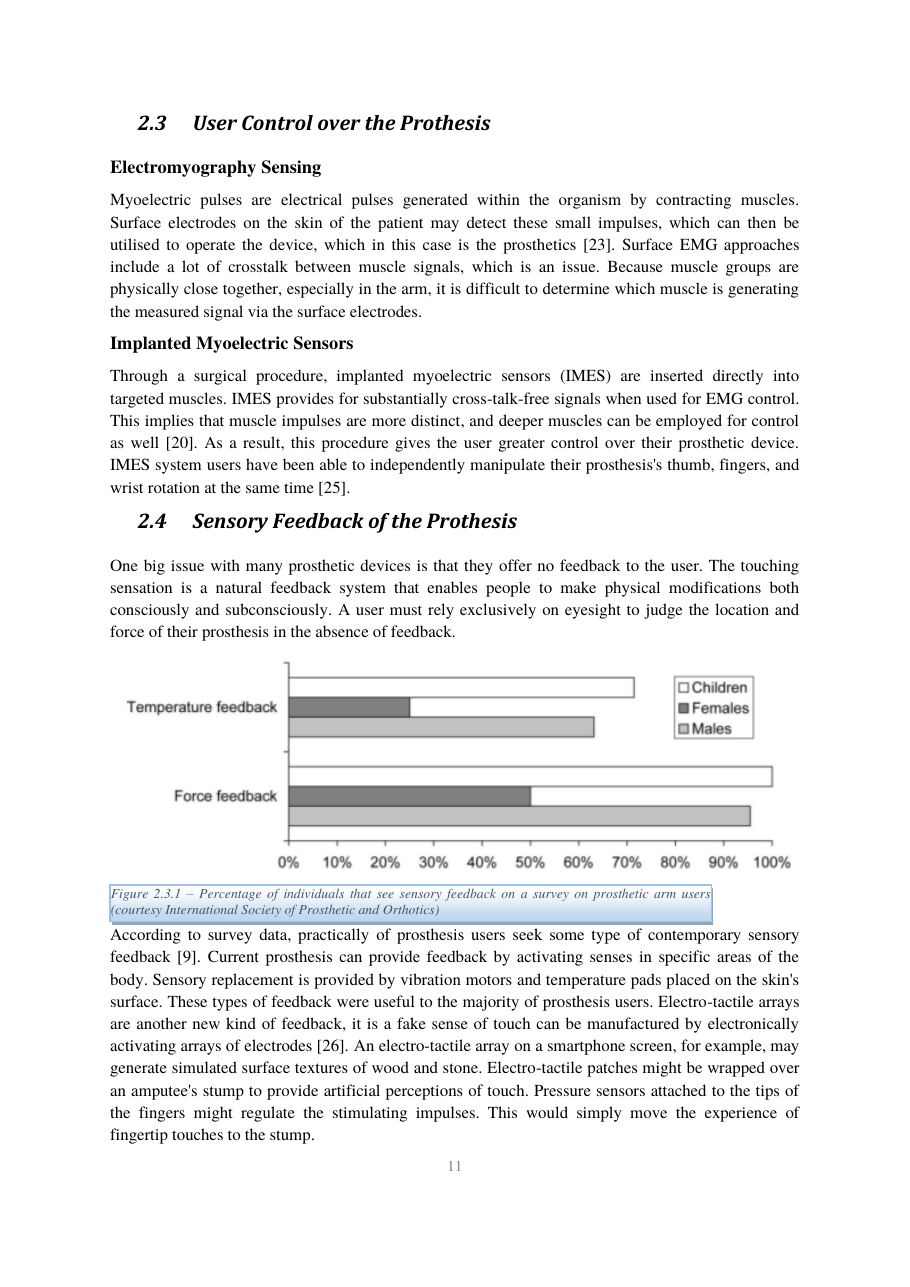
More and more people live without a hand or arm. Prosthetic arms help, but many users stop wearing them: they hurt, they’re heavy, they’re fiddly to take off, and they can’t handle everyday jobs like buttoning a shirt or tying a knot.
The project starts from what users actually need — the report frames this with a survey of upper-limb prosthesis users — and argues that a hand able to do several different things would make a real difference to their quality of life. Its answer is a prototype: an affordable, 3D-printed hand you control with your own muscle signals.
02
How it was done
- Step 1 — Study the hand
Learn what a real hand can do
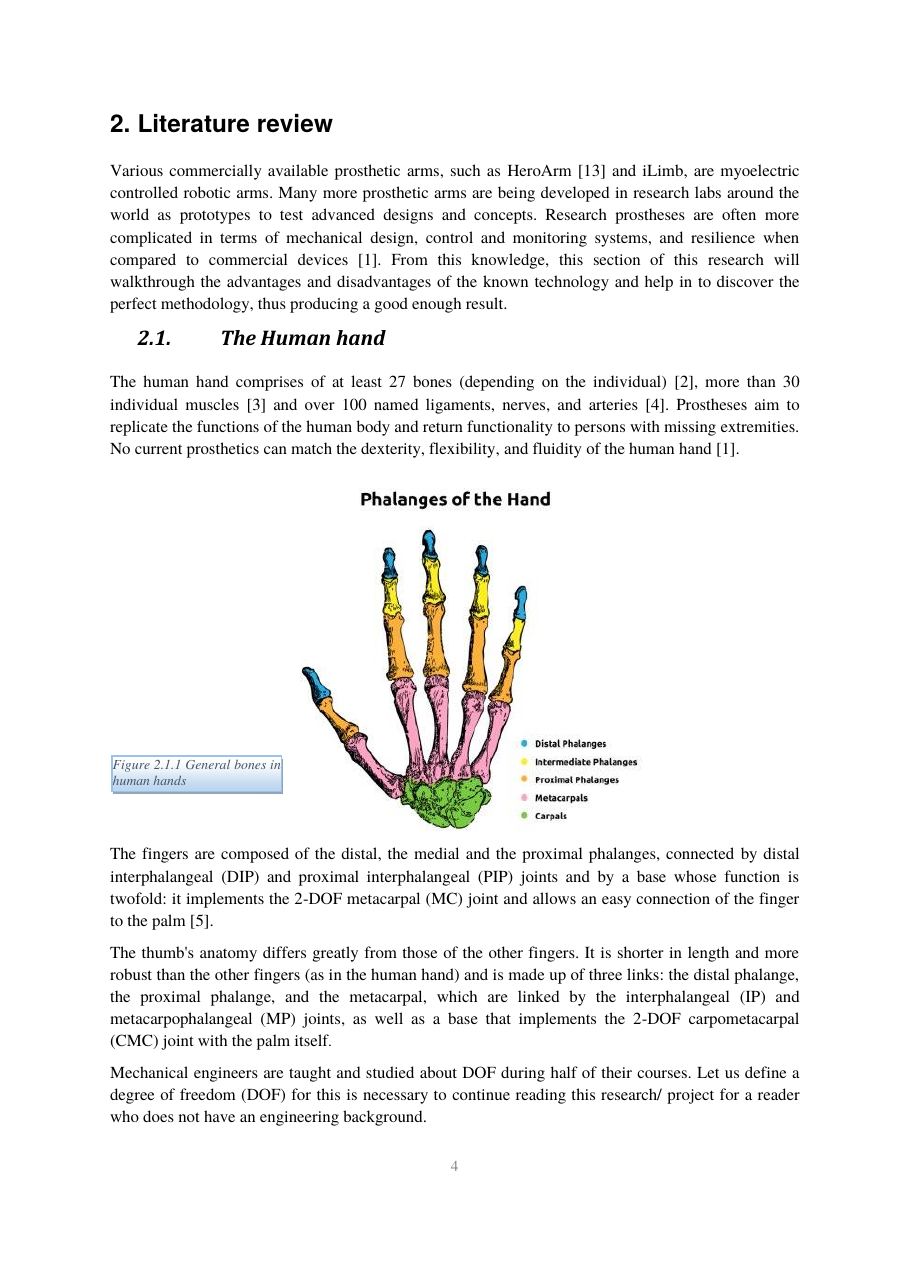
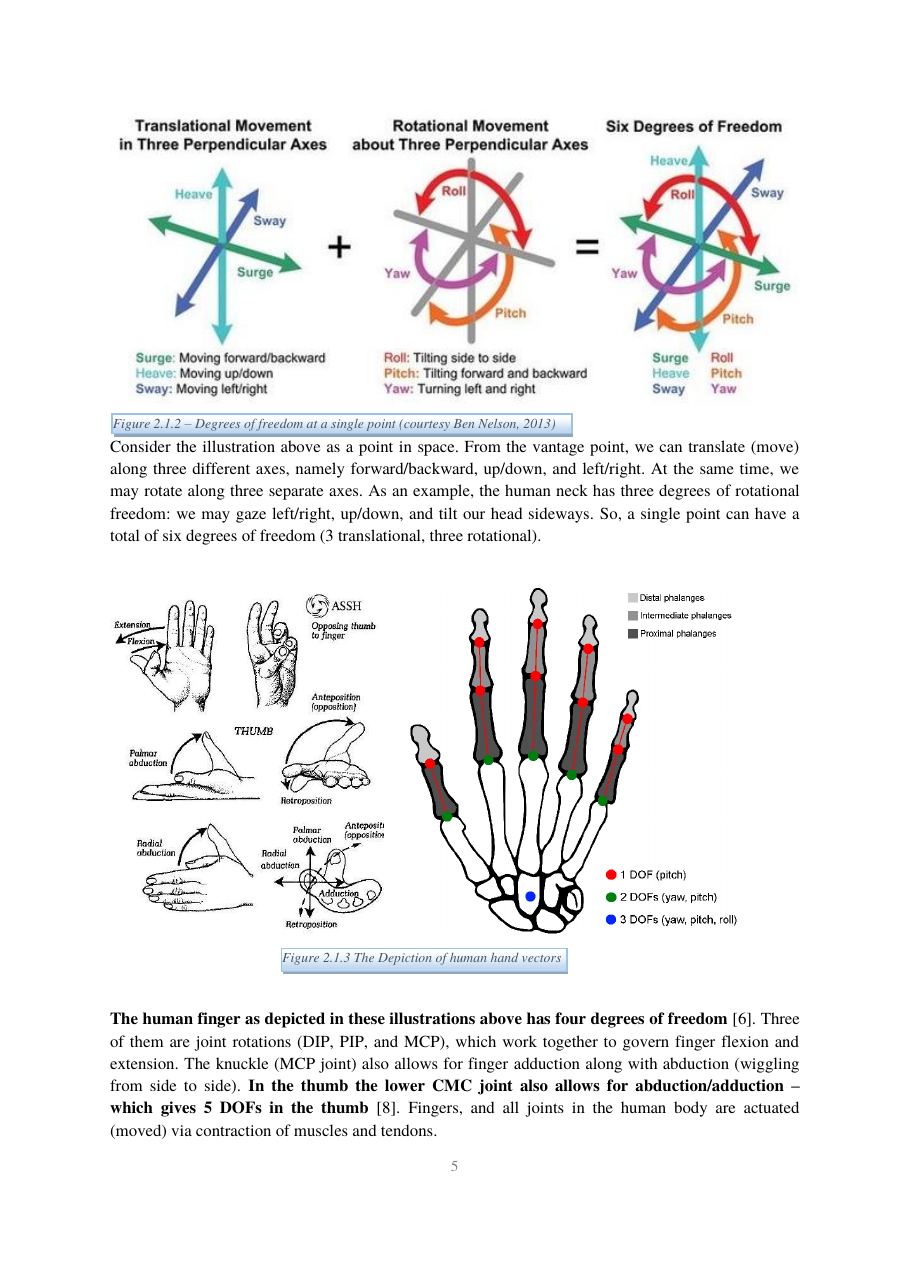
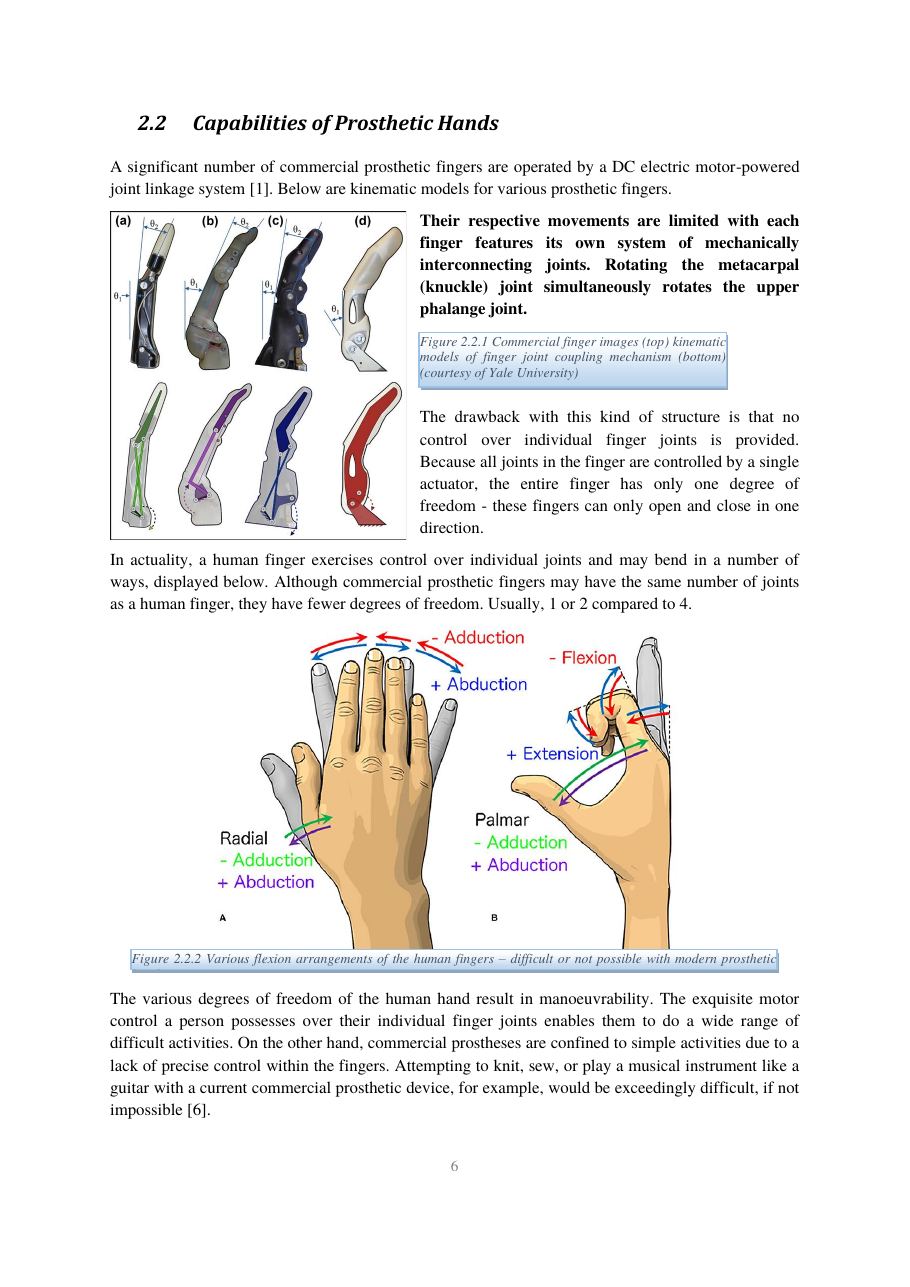
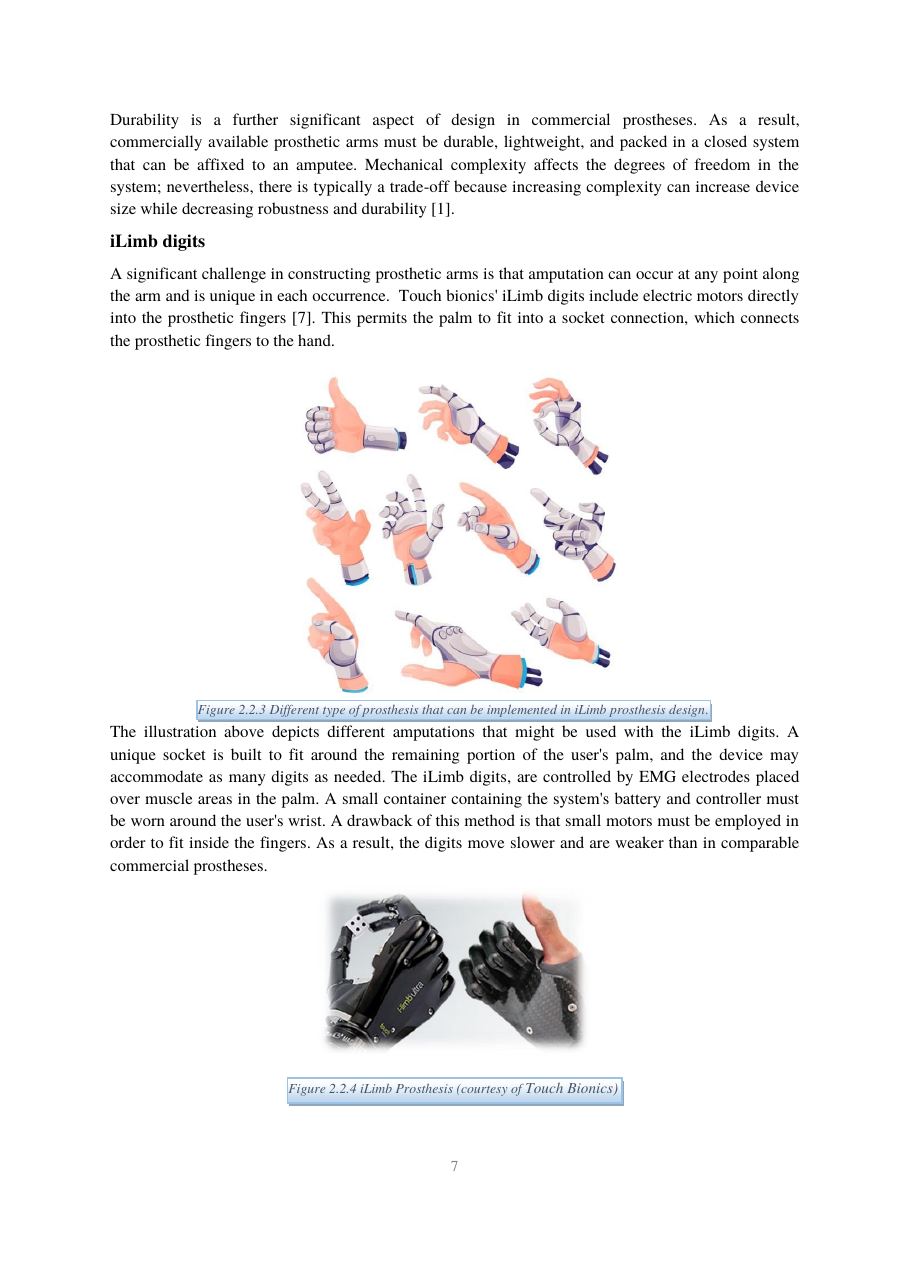
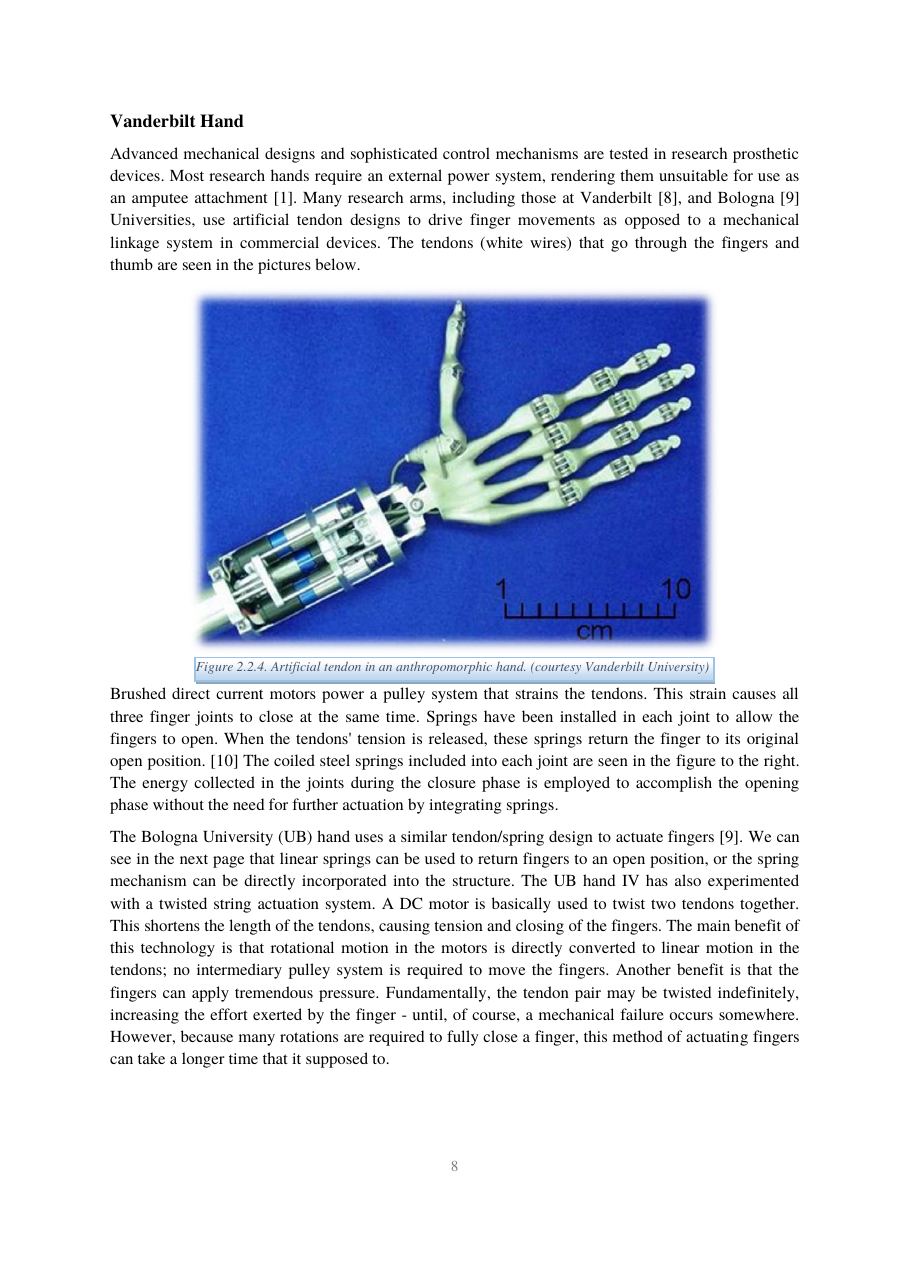
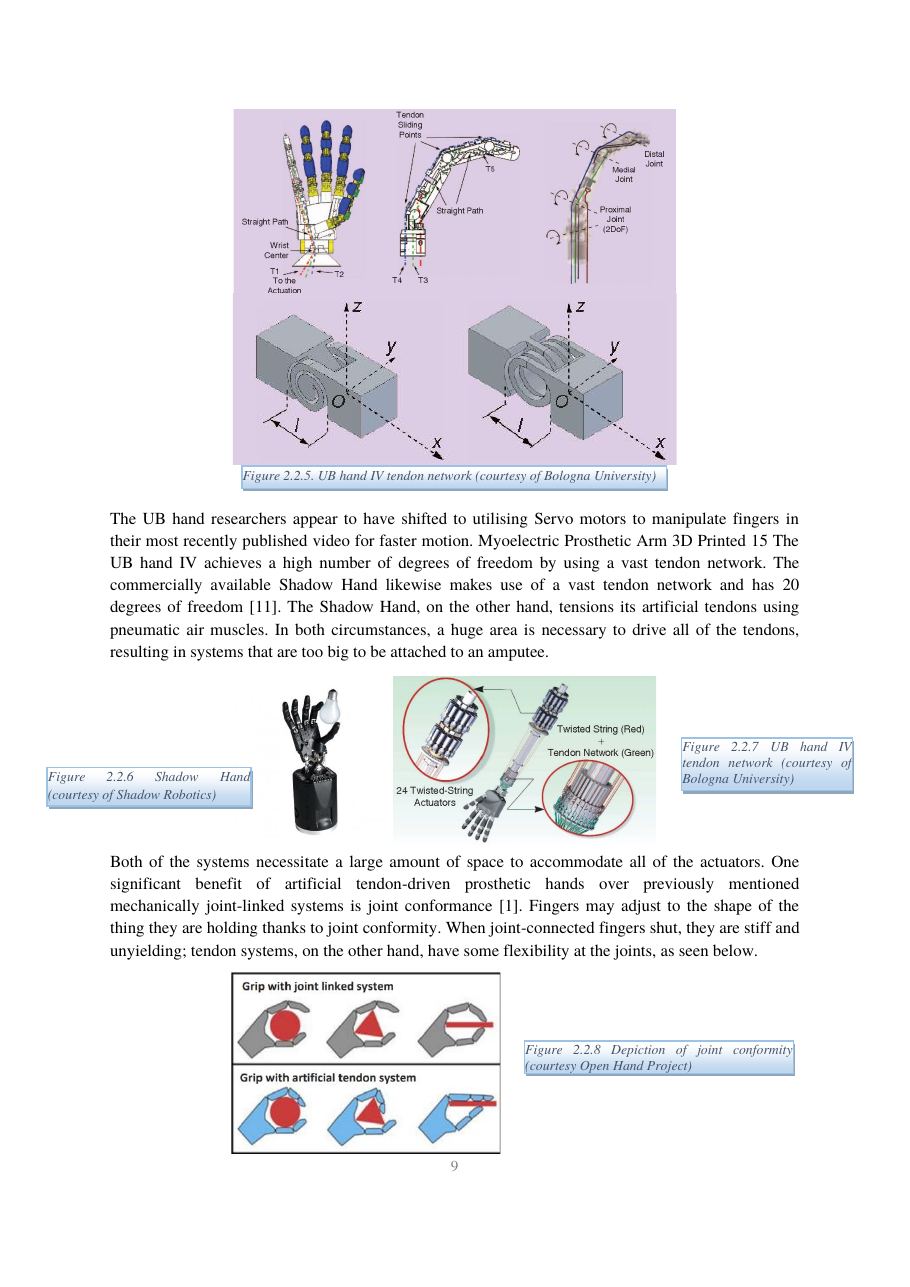
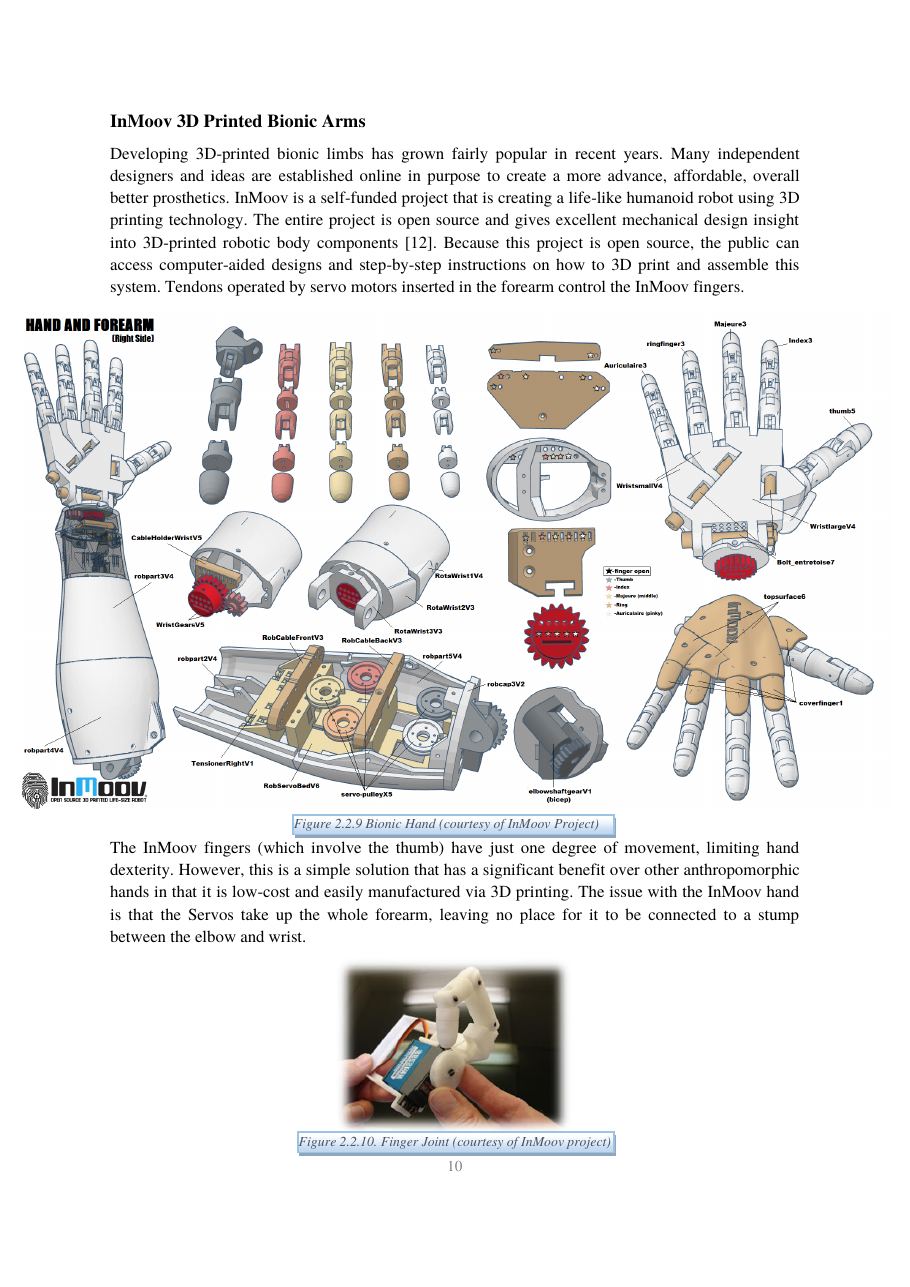
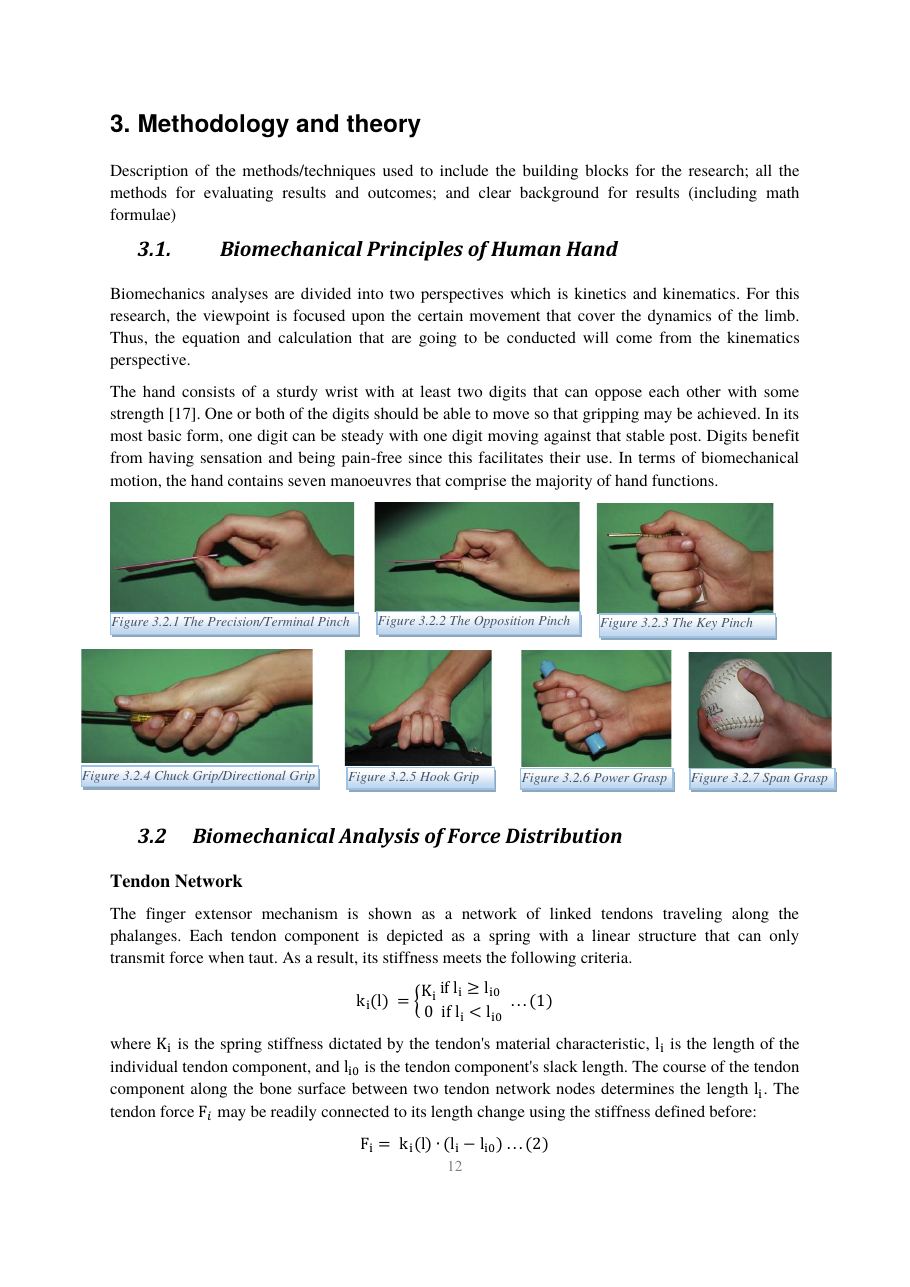
A human hand has 27 bones; each finger has 4 ways to move (degrees of freedom) and the thumb has 5. Most commercial prosthetic fingers have only 1 or 2. I compared existing designs — iLimb, the Vanderbilt and Bologna research hands, the Shadow Hand and the open-source InMoov.
- Step 2 — Do the maths
Model the forces and motion
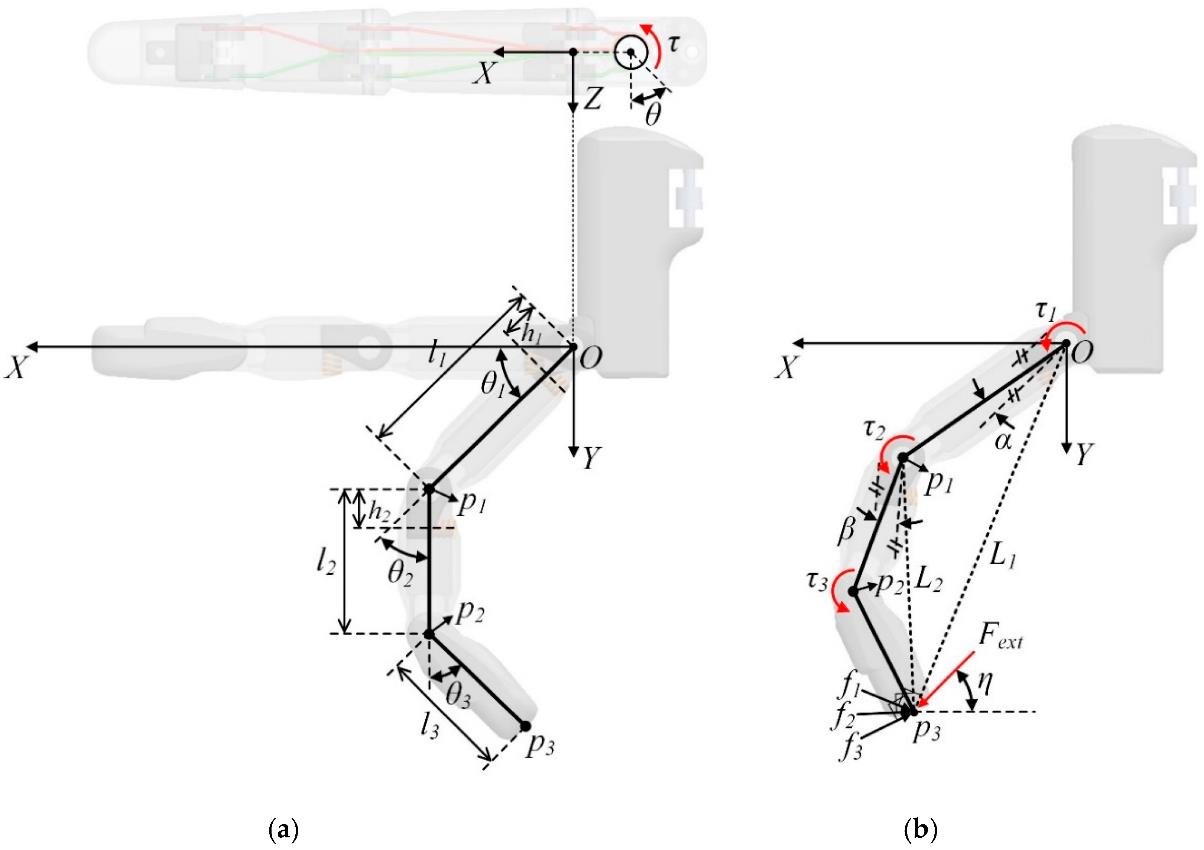
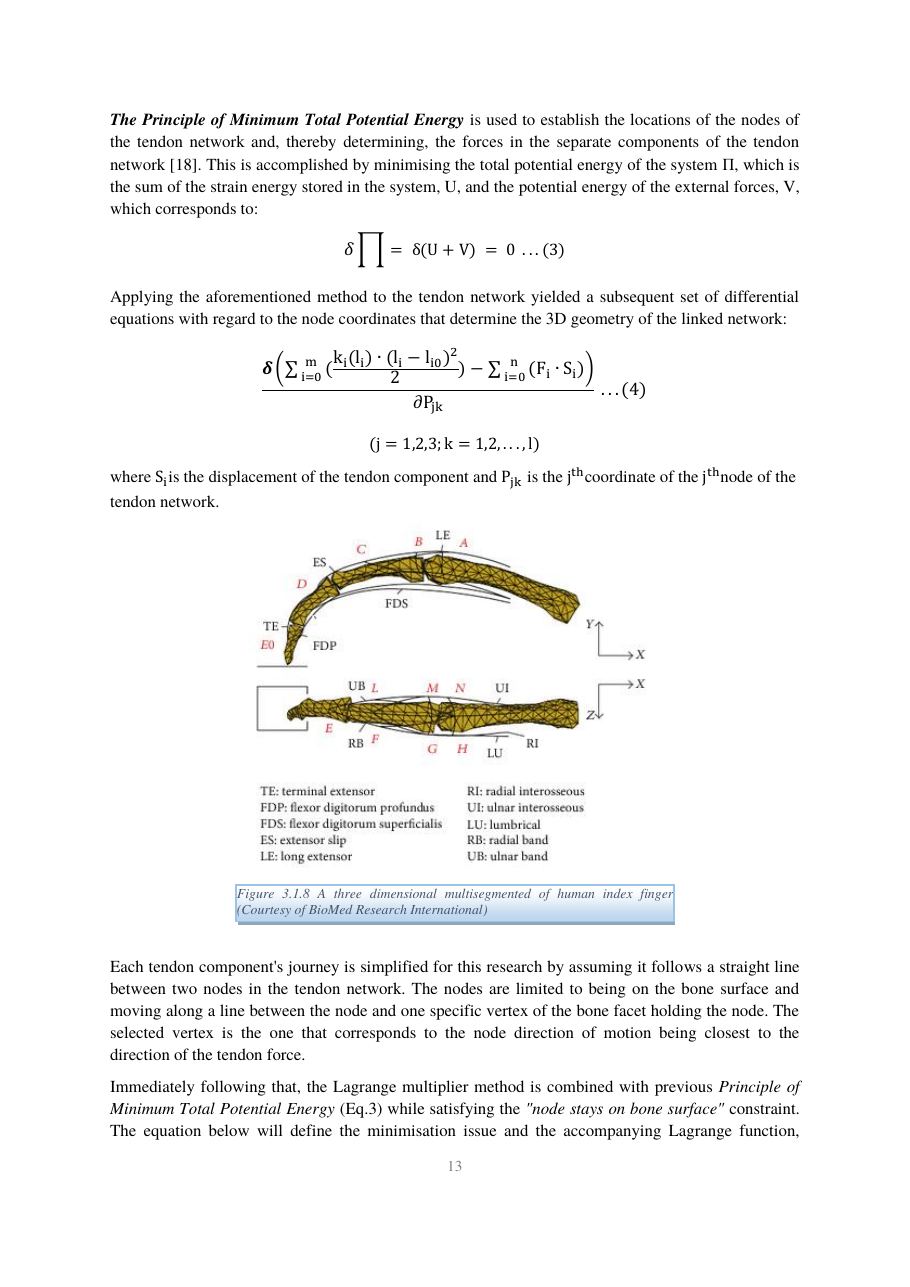
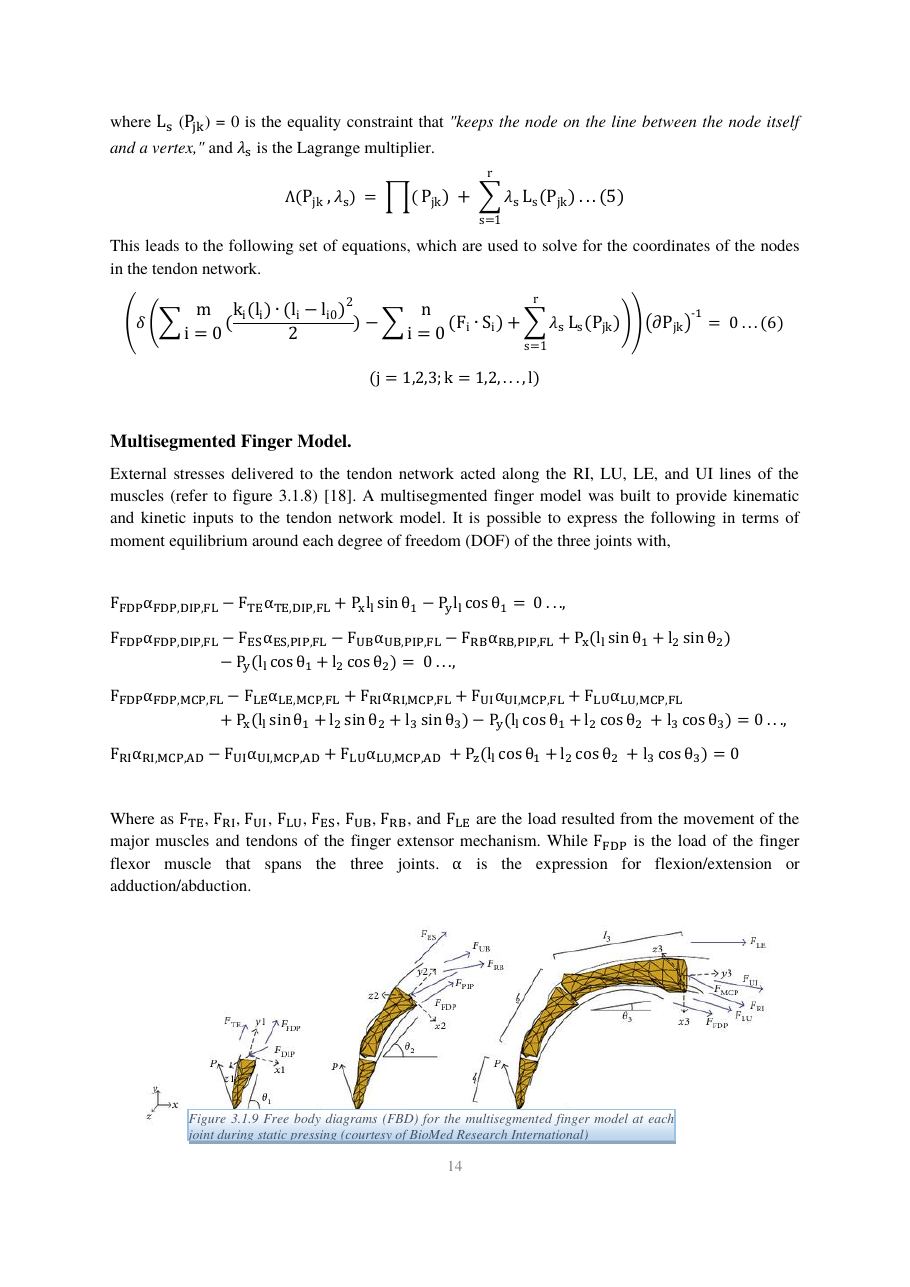
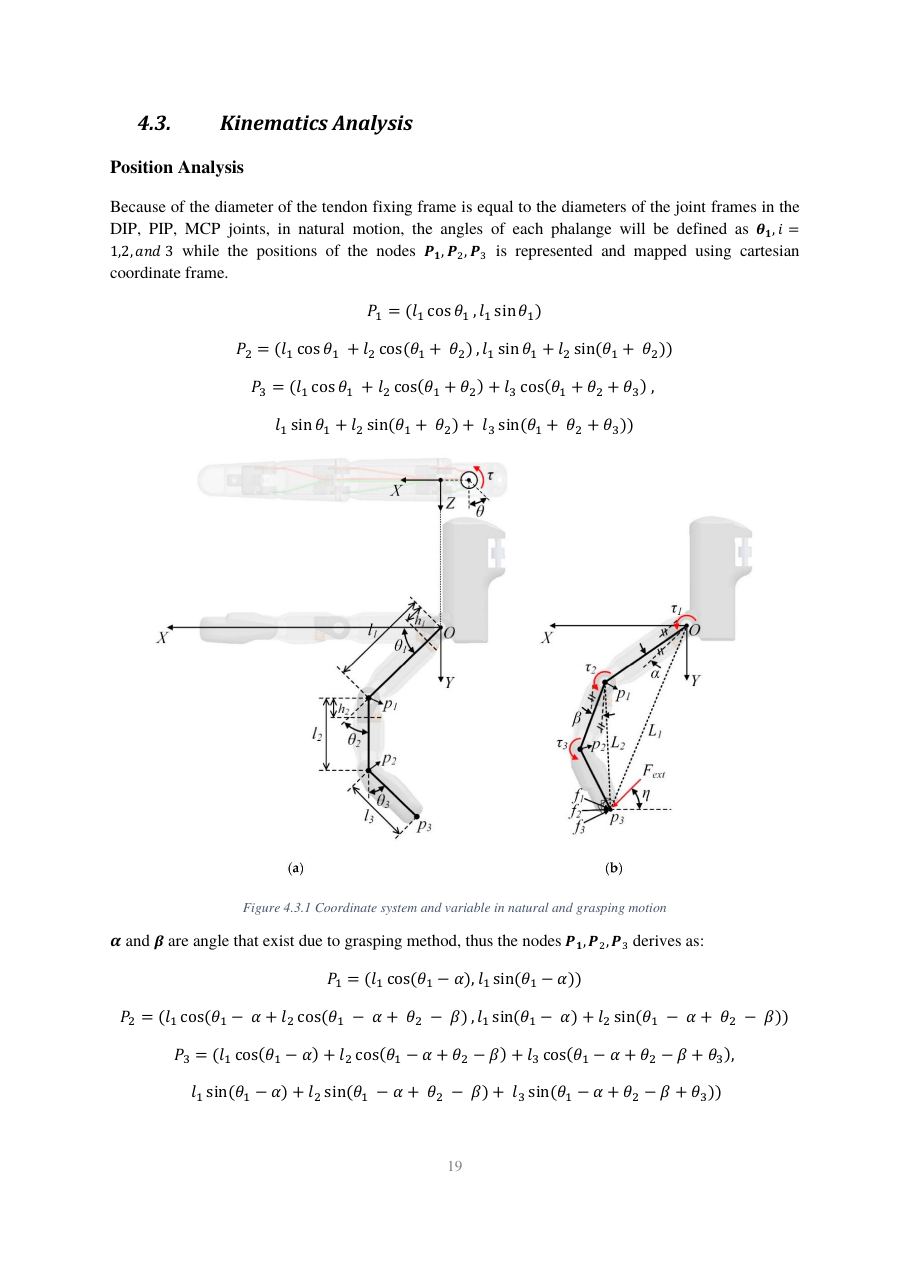
Tendons were treated as springs that only pull when tight, and the finger’s shape was found by letting the system settle into its lowest-energy state. A kinematic model tracked where each finger joint and the fingertip would be, and how fast they move.
- Step 3 — Design it
CAD, then a change of plan
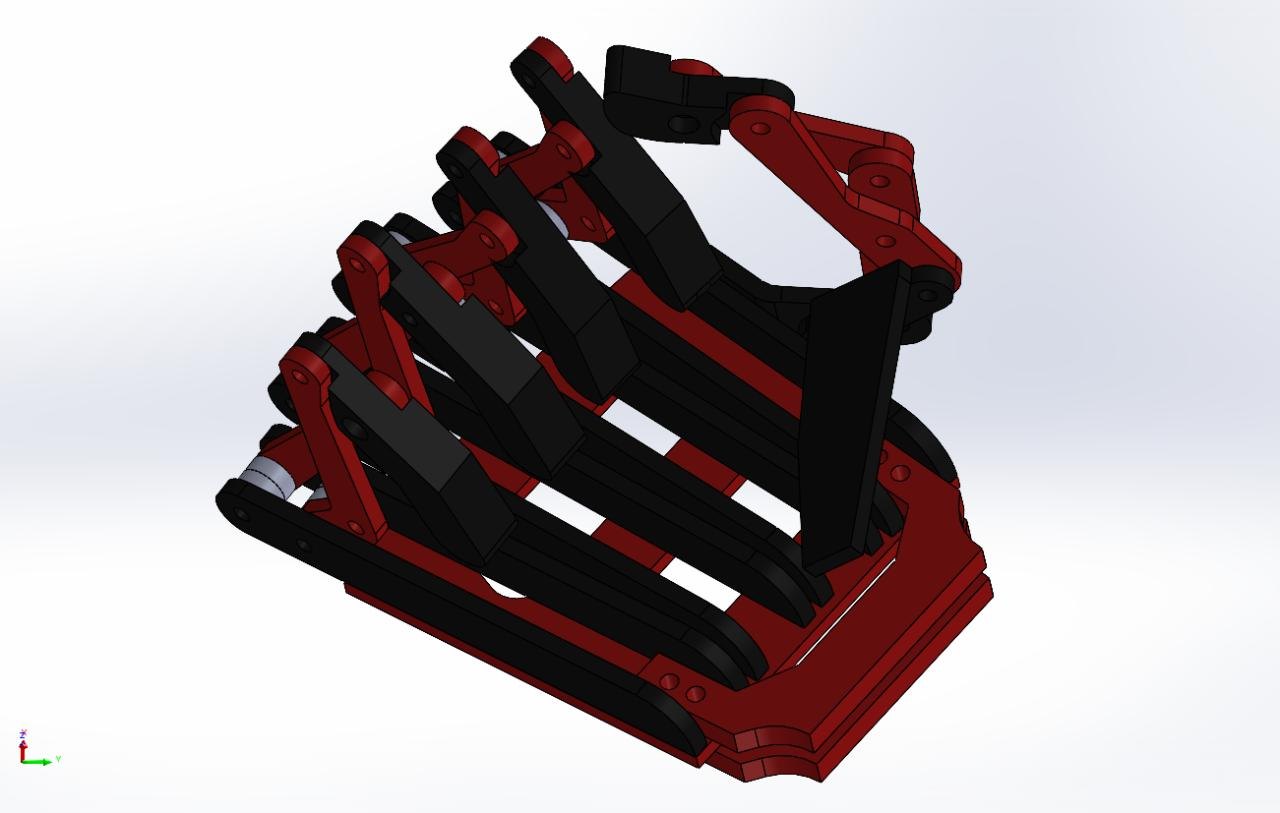
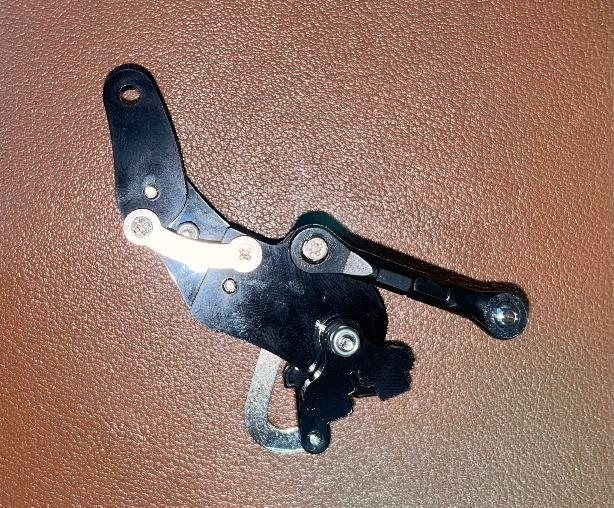
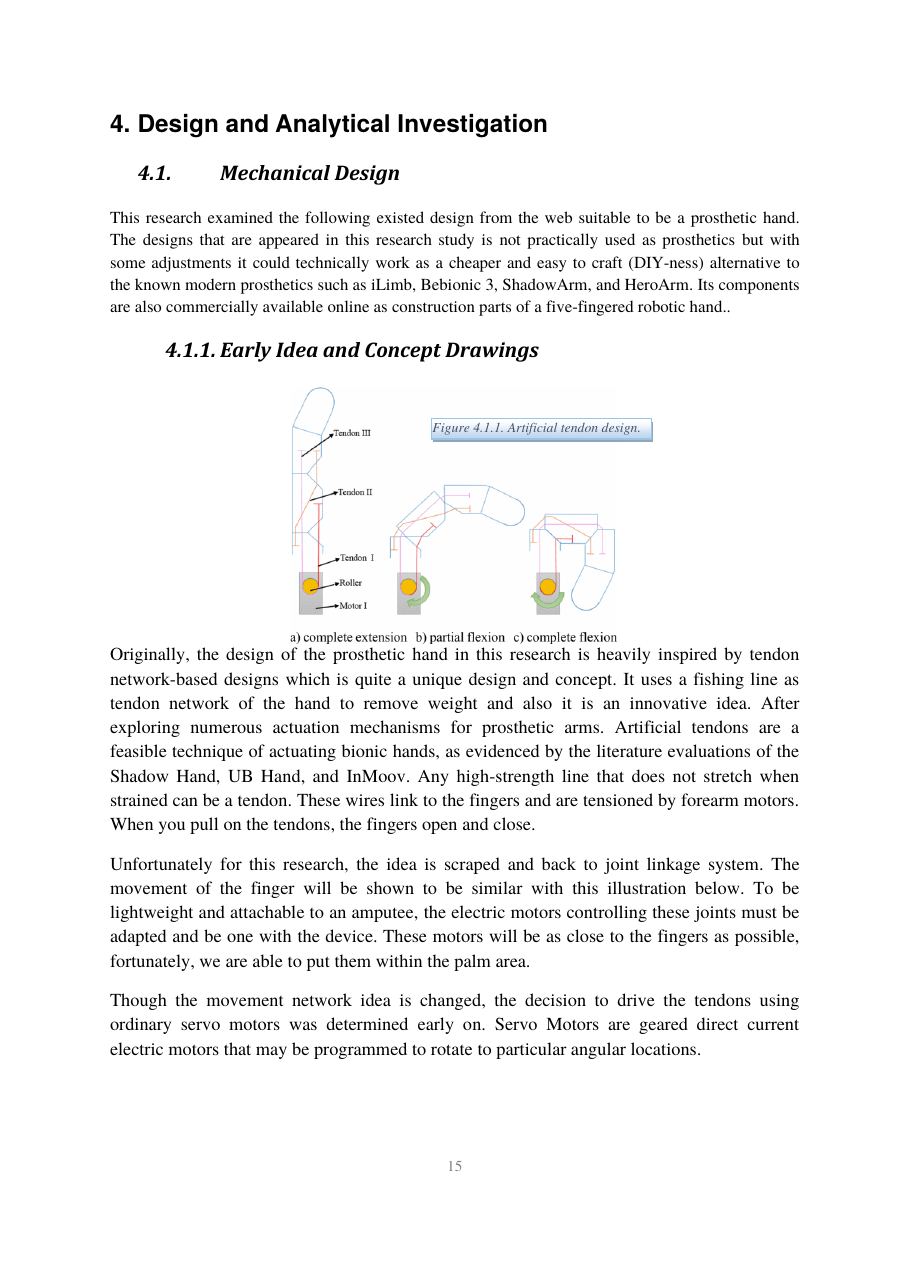
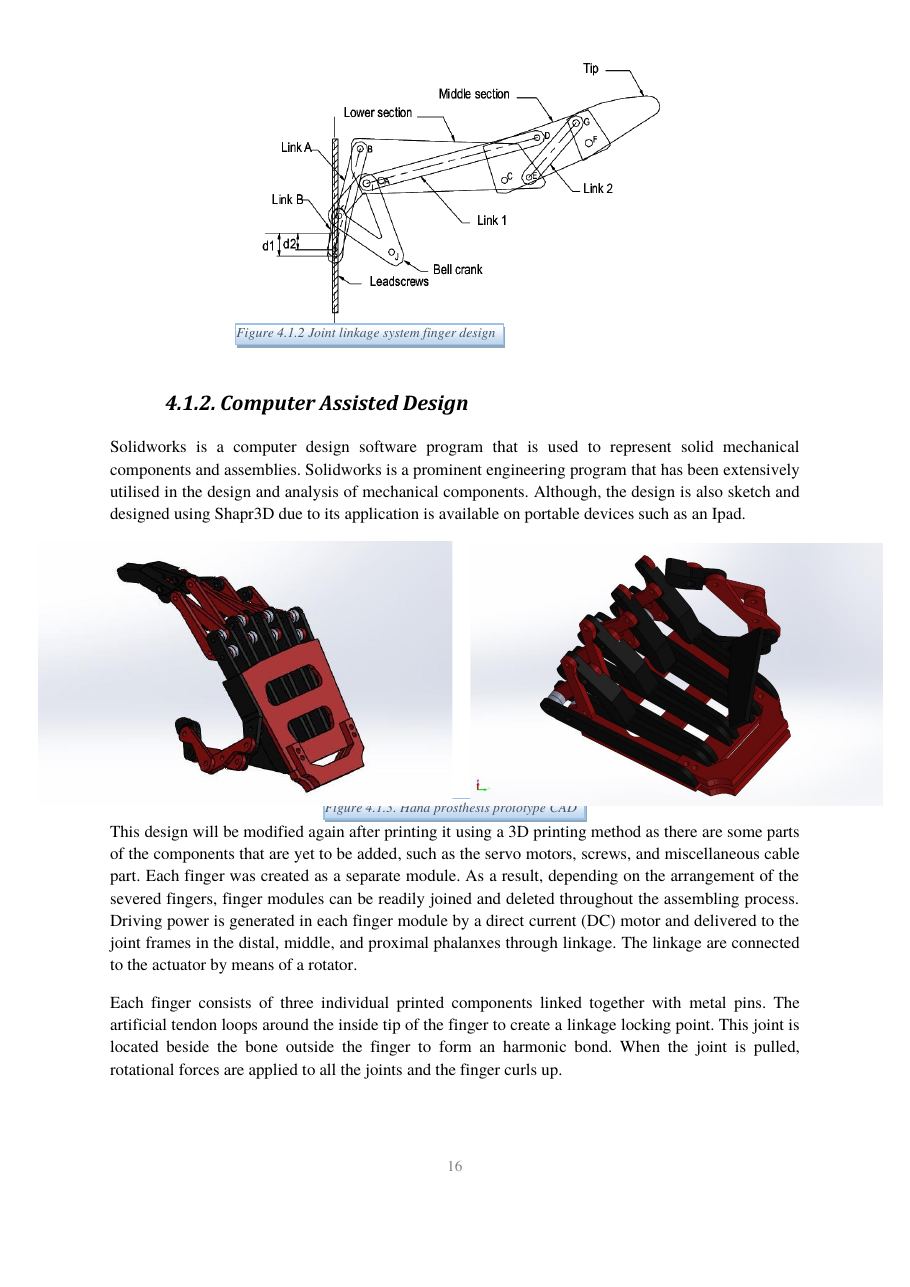
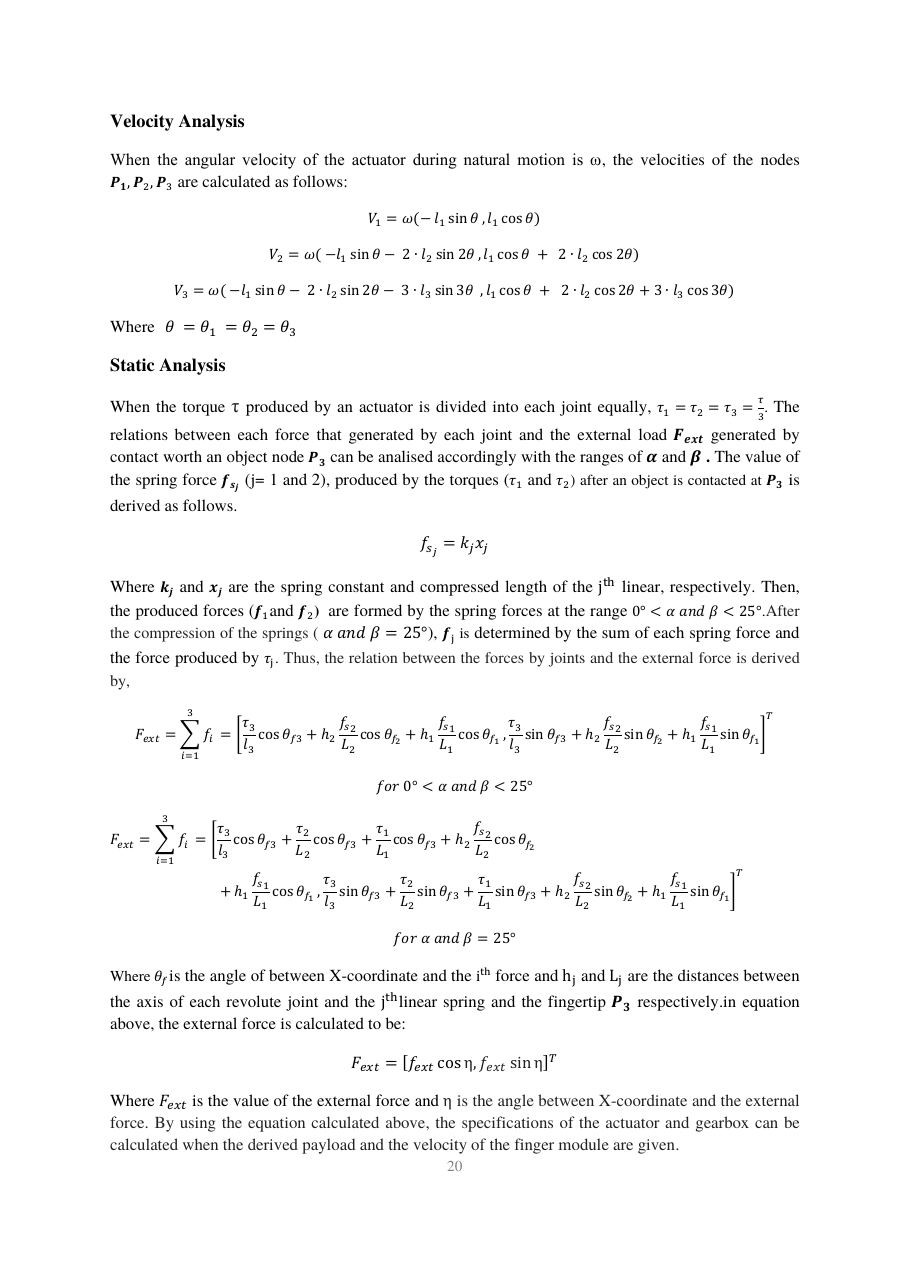
The first idea used fishing line as artificial tendons. It was dropped for a stiffer joint-linkage finger, each one driven by its own small servo motor tucked inside the palm. Modelled in SolidWorks and Shapr3D, then 3D printed.
- Step 4 — Wire it to muscles
Muscle signal → fingers
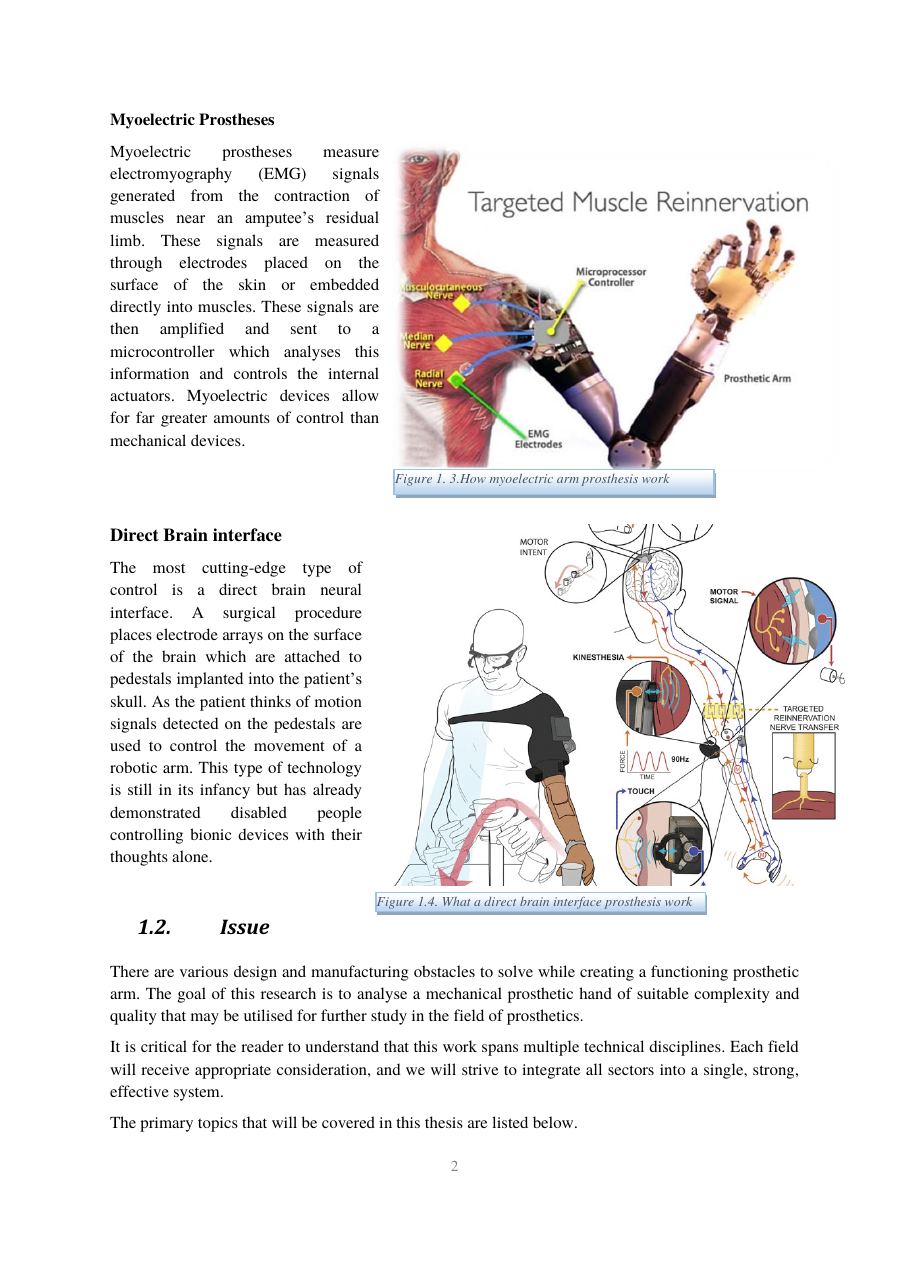
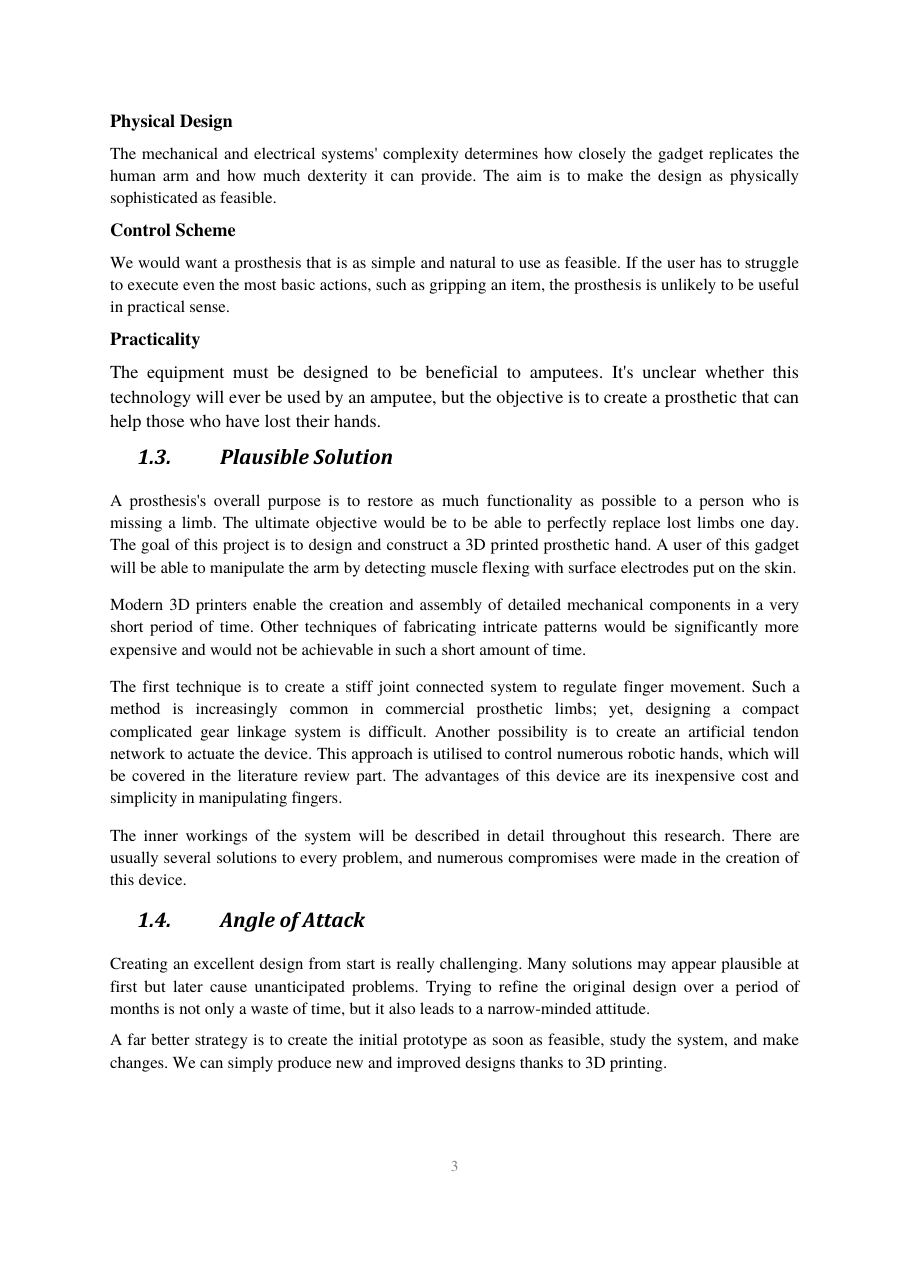
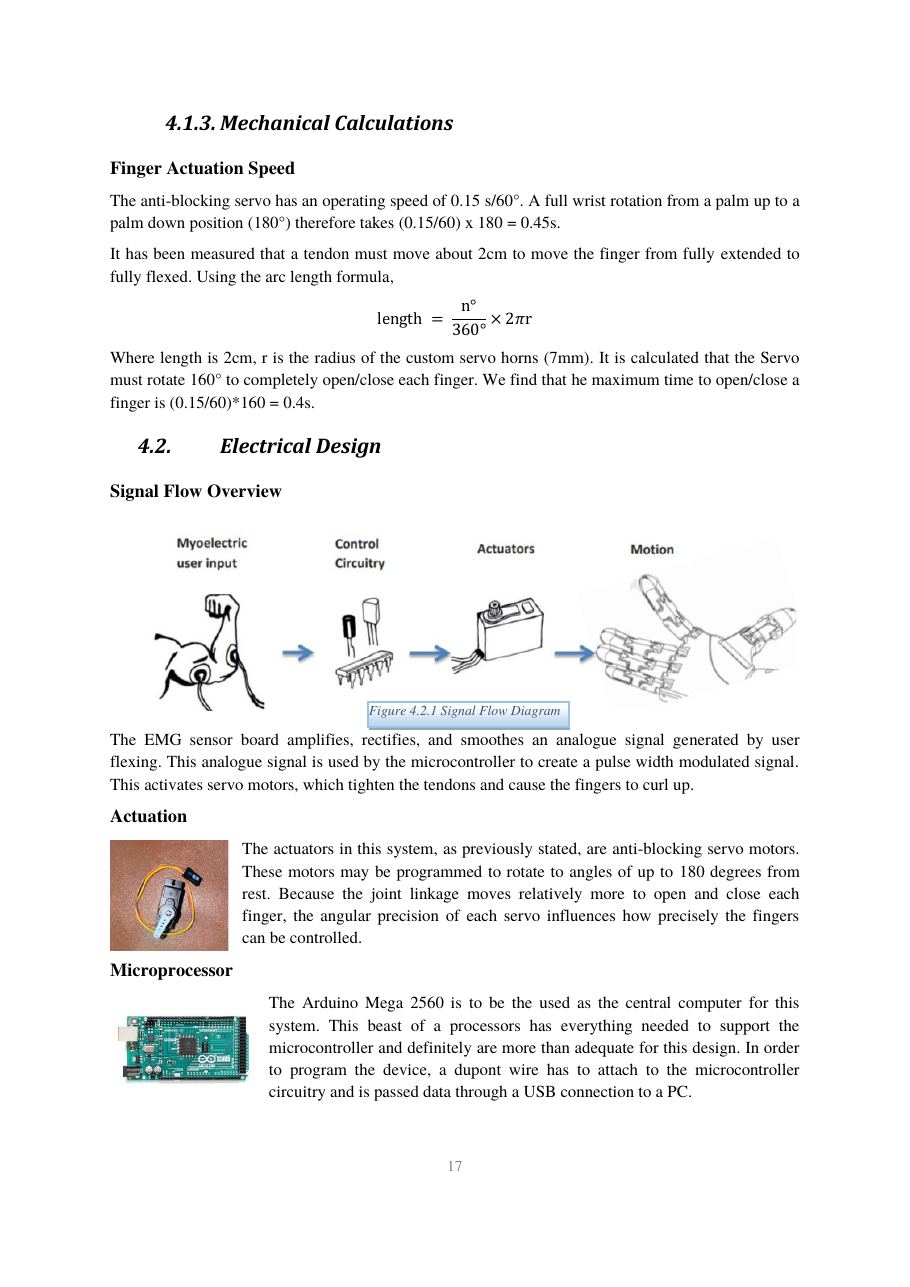
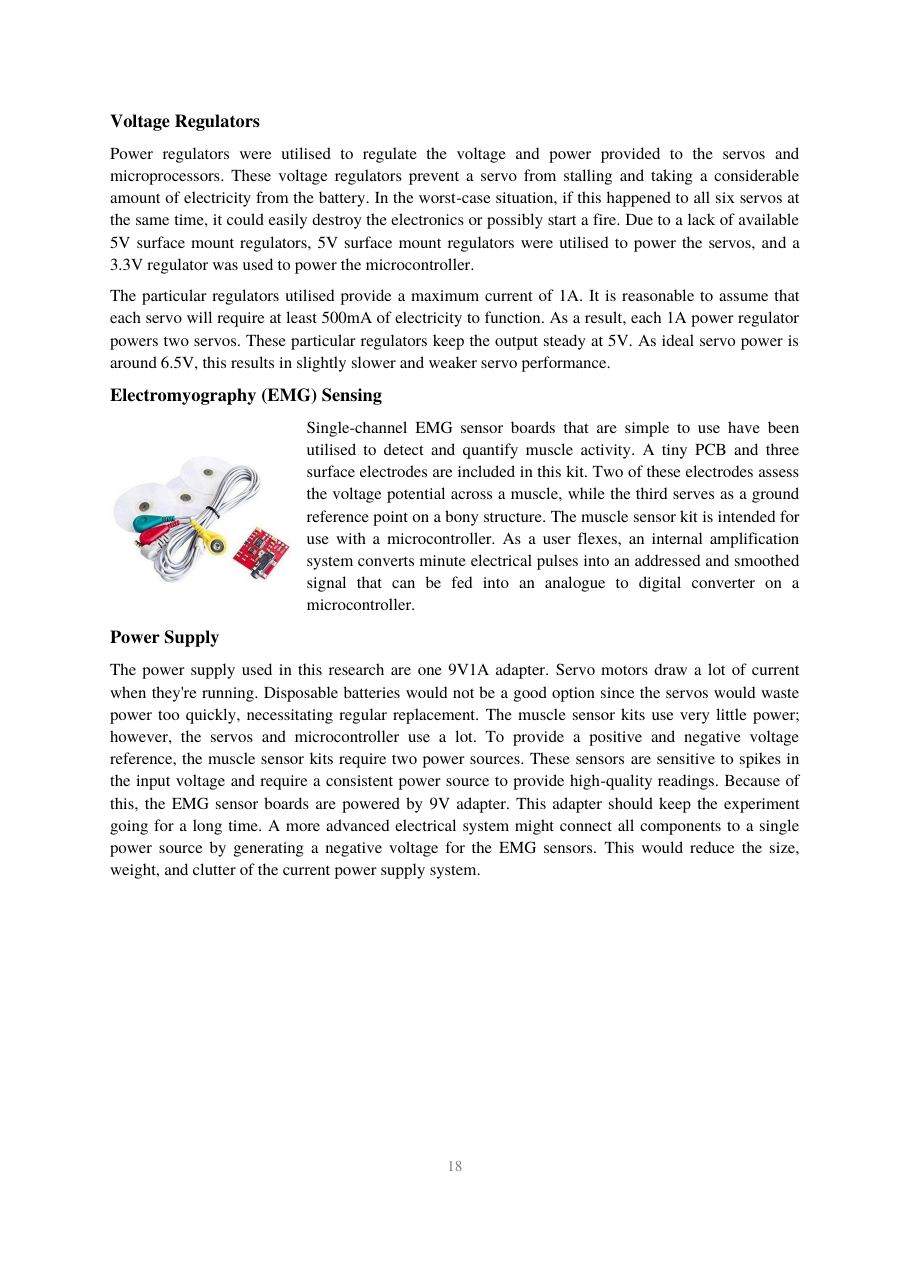
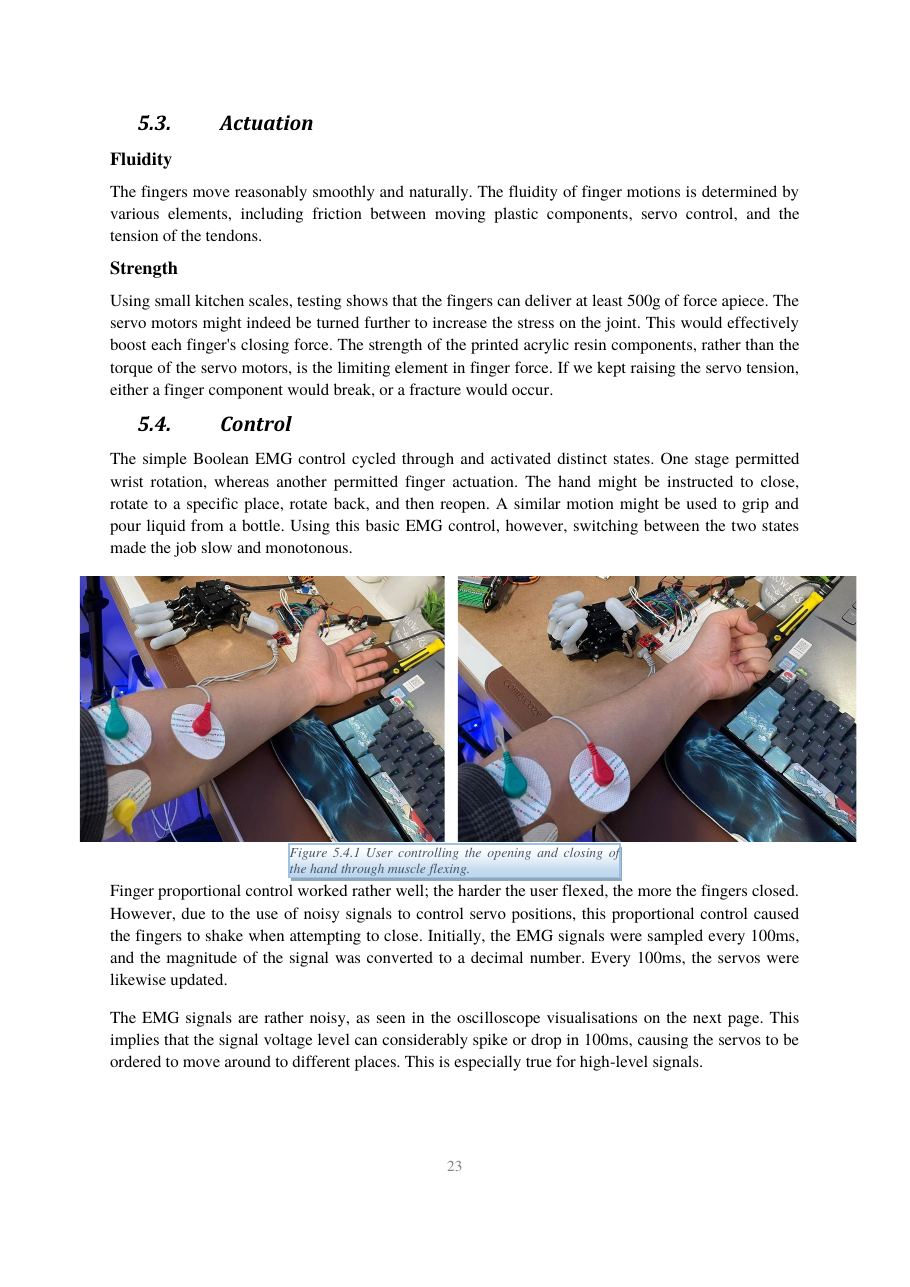
Skin electrodes pick up the tiny electrical signal (EMG) your muscles make when you flex. A sensor board cleans it up, an Arduino Mega turns it into motor commands, and the servos curl the fingers.
03
What happened
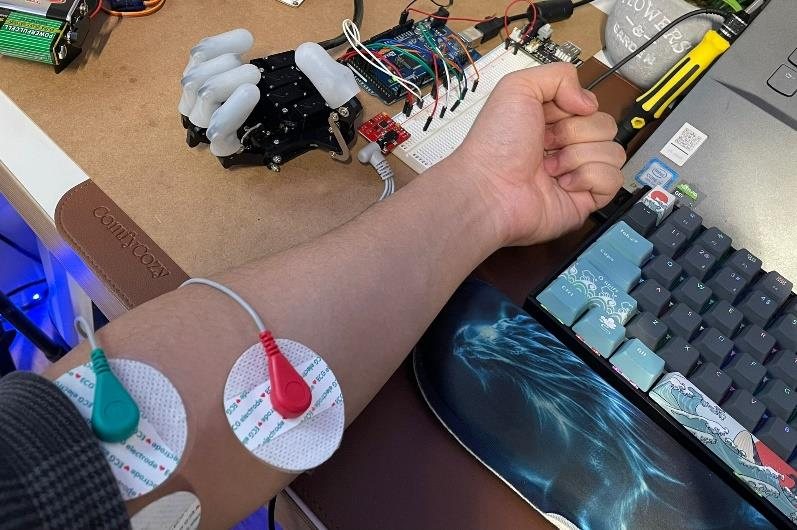
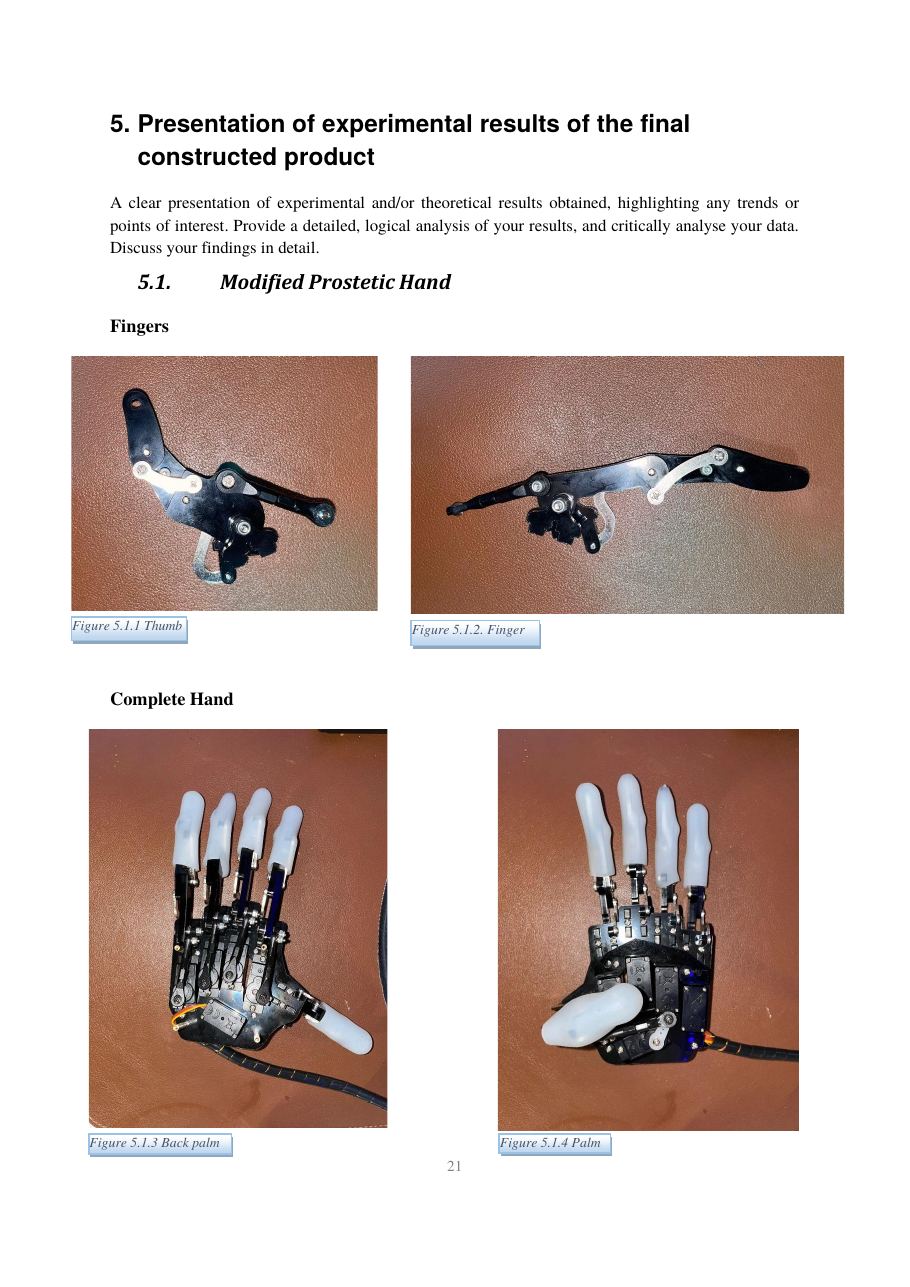
- It works. A five-finger hand, every finger moving on its own, opened and closed by flexing the forearm or bicep.
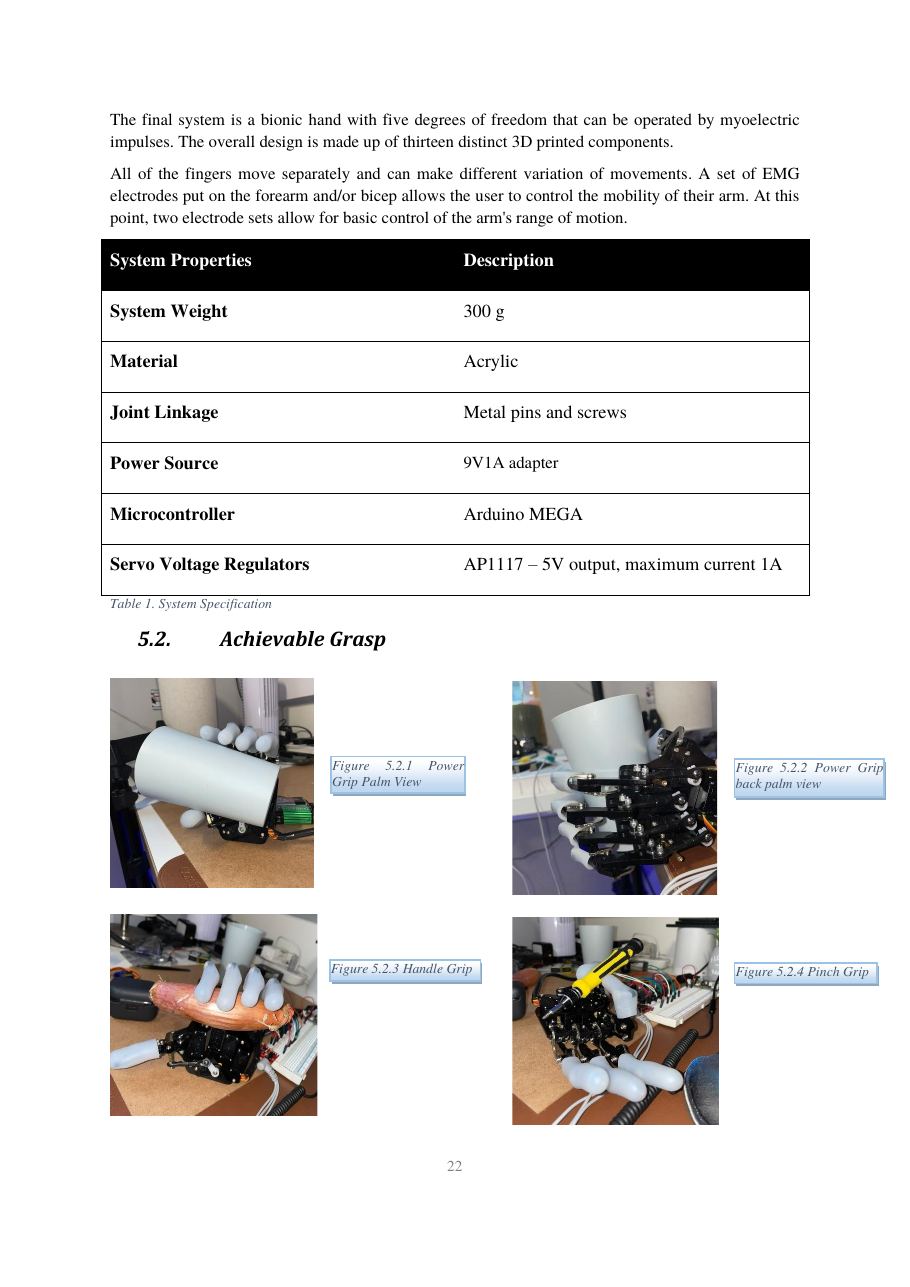
- It grips. Power grip, handle grip and pinch grip were all achieved, with at least 500 g of force per finger.
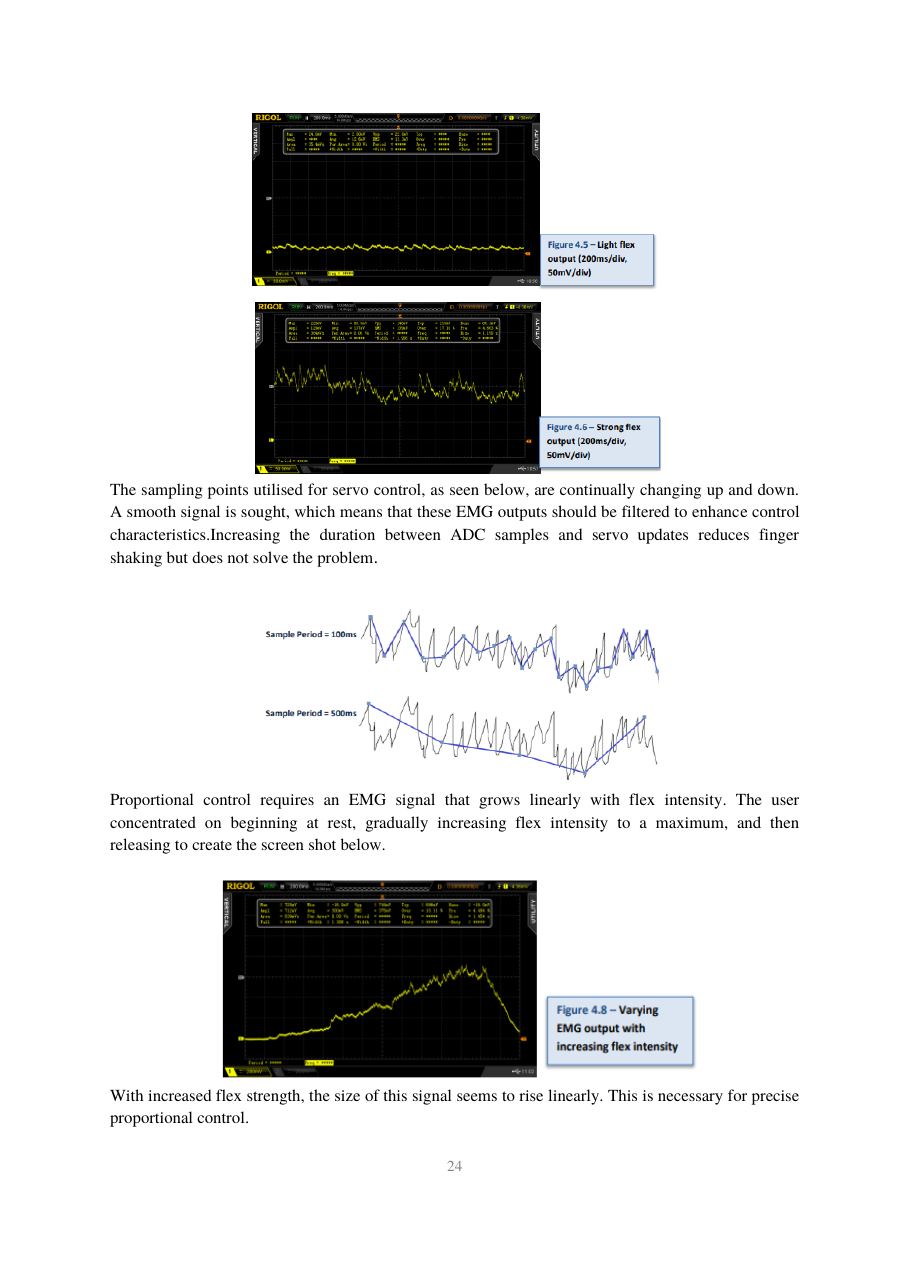
- Flex harder, close tighter. Proportional control worked — but the raw muscle signal is noisy, so the fingers shook as they closed.
- The weak link is the plastic. The printed acrylic parts, not the motors, set the strength limit — push harder and a finger would crack.
04
So what?
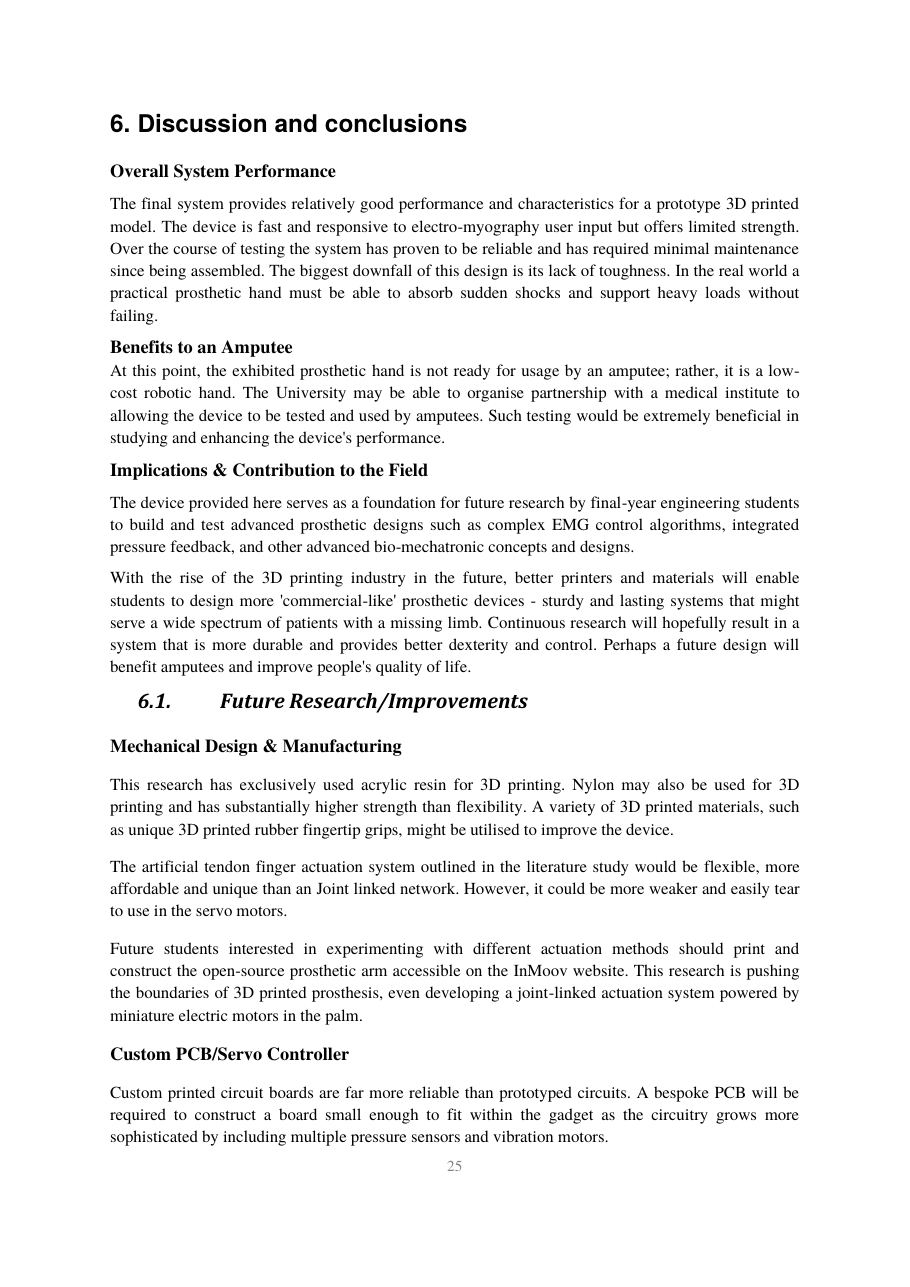
For a 3D-printed prototype, the hand is fast, responsive and reliable — it needed almost no maintenance through testing. It isn’t ready for an amputee yet: a real prosthetic must survive knocks and heavy loads. What it does offer is a cheap, working platform for the next round of research.
Next steps
05 — The full paper
Read it here


Discussion
Comments
Register with your email to join the discussion
No comments yet. Be the first to share your thoughts.